
Yes—choosing the right chimney liner insulation kit is essential for safe operation and improved energy efficiency. This guide highlights five top options that fit common 3–6 inch liners and pay close attention to installation ease, durability, and insulation performance. The best picks are suited for homeowners installing new liners, contractors outfitting multiple fireplaces, and anyone looking to reduce creosote buildup and improve draft control.
| Product | Diameter | Length | Best For |
|---|---|---|---|
| Rockford Chimney Supply RockFlex Kit | 3–6 in | 25 ft | General purpose insulation with high thermal performance |
| Fireside Chimney Supply FireSafe Kit (6 in x 15 ft) | 6 in | 15 ft | Durable stainless steel with comprehensive installation kit |
| Lindemann Superwool Plus Blanket | 1/2 in nominal thickness | 25 ft increments | High-temperature insulation for stainless liners |
| Fireside 1/4″ Flexible Wrap Kit | 3–6 in | 25 ft | Thick insulation wrap with complete install components |
| Fireside Stainless Steel Liner Kit (6 in x 15 ft) | 6 in | 15 ft | Sturdy stainless liner with top plate and moisture protection |
Rockford Chimney Supply RockFlex Chimney Liner Insulation Kit

Best for: Homeowners needing solid thermal insulation for 3–6 inch liners. Why: RockFlex claims the best thermal insulating performance in its class and offers UL1777 listing, signaling a strong safety standard. The kit includes all components to complete a typical installation and is positioned for straightforward use. Caution: Verify compatibility with existing flue configurations to ensure proper fit.
Fireside Chimney Supply FireSafe Kit (6 Inch x 15 Feet)

Best for: Installers prioritizing a full kit with durable stainless steel and extensive accessories. Why: This kit uses premium 316 stainless steel and includes adhesive, mesh, foil tape, clamps, a top plate, rain cap, and an appliance connector, facilitating a robust, moisture-resistant installation. Caution: Higher material quality may come with a higher upfront cost relative to basic wraps.
Lindemann Superwool Plus Insulation Blanket

Best for: Projects needing high-temperature insulation for stainless steel liners. Why: The blanket is rated for up to 2100°F and sold in 25-foot increments, which suits longer runs or multiple sections. Caution: The product focuses on insulation blanket material; ensure sufficient protective layers or compatible hardware for full assembly.
Fireside Chimney Supply FireSafe 1/4 Inch Flexible Wrap Kit
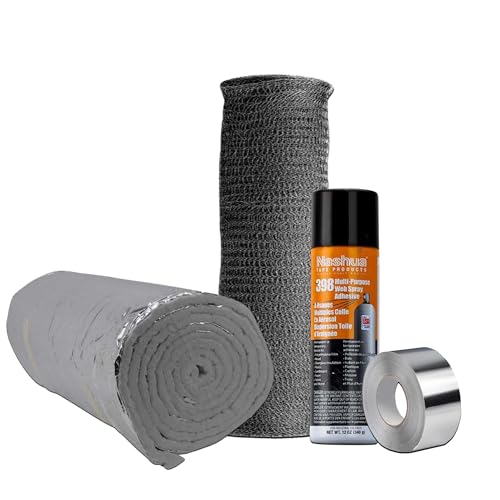
Best for: Users needing a thicker insulation layer with a complete set for quick installation. Why: The 1/4″ thick Premier Wrap provides strong insulation and includes mesh, adhesive, foil tape, and clamps for a streamlined setup. Caution: The thicker wrap may not suit tighter clearance configurations without measuring clearance space first.
Fireside Chimney Supply Basic FireSafe Flexible Kit (6 Inch x 15 Feet)

Best for: Those seeking a durable 316 stainless steel flexible liner with simple installation. Why: This kit emphasizes corrosion resistance and a thorough set of components to illuminate potential gap leaks, helping maintain efficiency. Caution: Choose this option if you need a flexible liner with longer service life, but verify top plate and rain cap compatibility with your chimney system.
Buying Guide: Key Considerations For Choosing Chimney Liner Insulation
- Material type: Decide between blanket insulation, wrap insulation, or a full stainless liner kit with outer protective layers.
- Diameter compatibility: Most kits cover 3–6 inch liners; confirm your liner size before purchasing.
- Heat rating: For high-temperature settings, choose materials rated for elevated temperatures (e.g., 2100°F or higher).
- Installation scope: Some kits include top plates, rain caps, and clamps; others are just insulation blankets—plan accordingly.
- Moisture resistance: Look for moisture barriers or protective layers to reduce corrosion risk and damage from creosote exposure.
FAQ
- What is chimney liner insulation used for? It reduces heat transfer, improves draft, and lowers creosote buildup, enhancing safety and efficiency.
- Which kit is best for a DIY installer? Kits with complete installation components and clear instructions are typically easiest for DIY projects.
- Can insulation be added to existing liners? Yes, wrap and blanket insulation can be applied to existing liners when compatible with diameter and material type.
- Are all kits suitable for outdoor use? Most are designed for indoor or sheltered indoor applications; verify exposure tolerance and weather sealing requirements.
- How do I know if I need a top plate or rain cap? A top plate and rain cap help seal and ventilate the liner and are recommended for moisture protection in many installations.
- What safety considerations are there? Use heat-rated materials, follow local codes, and ensure proper clearances to prevent fire hazards.