
Smart thermostats that connect to your Wi‑Fi can simplify climate control, boost energy efficiency, and integrate with your existing smart home setup. The following article highlights five top options that work well in American homes, balancing reliable performance, user-friendly apps, and flexible scheduling. Each product is evaluated on compatibility, ease of installation, energy savings, and smart features to help you choose the right thermostat for your heating system.
Summary table of selected products:
| Product | Brand | Key Benefit | Wi‑Fi & Smart Home | Notes |
|---|---|---|---|---|
| Honeywell Home RTH9585WF1004 | Honeywell Home | Color touchscreen with Energy Star | Yes (Alexa Ready) | 7‑day programming, DEMAND RESPONSE option |
| Sensi Smart Thermostat ST55 | Emerson | Privacy‑focused, easy DIY install | Yes (Works with Alexa) | Energy saving reports |
| Honeywell Home RTH6580WF | Honeywell Home | 7‑Day programmable with simple setup | Yes | DIY friendly |
| New! Honeywell Home Smart Thermostat X2S | Honeywell Home | Conventional/heat pump ready | Yes (Matter, Alexa, Google, Apple) | Advanced scheduling |
| Meross Smart Thermostat | meross | Broad compatibility, Matter support | Yes | Requires C‑wire, 2.4GHz Wi‑Fi |
Honeywell Home RTH9585WF1004 Wi-Fi Smart Color Thermostat
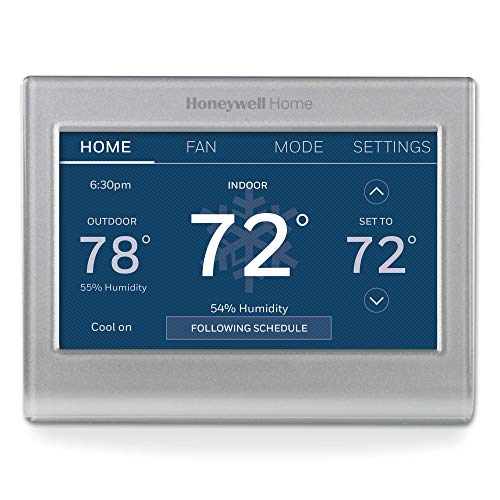
The RTH9585WF1004 pairs a vibrant color touchscreen with Wi‑Fi connectivity for remote control and scheduling. It supports 7‑day programming and is Energy Star certified, helping maintain comfort while optimizing energy use. The thermostat is Alexa‑ready, enabling voice control and smart home integration. Its flexible scheduling can align with your daily routine or peak rate pricing, allowing utility programs to reward efficiency during high demand periods. This model fits a wide range of homes needing precise comfort management and broad compatibility.
Energy savings are aided by the option to enroll in utility demand response programs, where the utility can slightly adjust temperatures during peak hours to reduce load. Personalization options let you choose display colors and layouts to match your decor, making it a practical centerpiece for a connected home. Installation is straightforward for many standard HVAC systems, and the color interface can reduce the need for accessing settings via a phone or tablet.
Sensi Smart Thermostat ST55
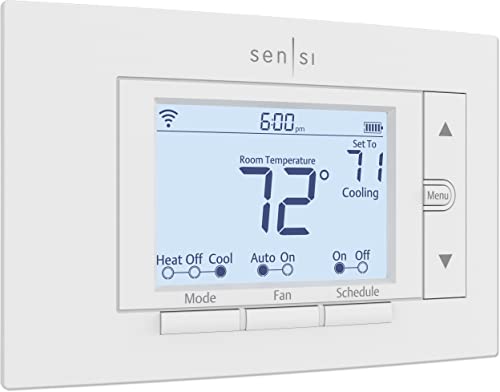
The Sensi ST55 emphasizes privacy and ease of installation. Emerson highlights data protection, noting that the thermostat avoids selling personal information to third parties. The device is designed for quick DIY installation and works with most HVAC setups, often not requiring a common wire (c‑wire). Sensi also offers energy saving features such as flexible scheduling, remote access, and usage reports, which can help homeowners analyze consumption and identify opportunities to reduce heating costs. The product supports Alexa for voice control and routine automation.
With energy efficiency in focus, the ST55 can deliver meaningful savings, typically in the vicinity of around a quarter on HVAC energy use for many households. The app interface is straightforward, and compatibility with common voice assistants makes it convenient for users who want to manage temperatures on the go. While not the most feature‑dense model, it balances privacy, simplicity, and effectiveness for many homes.
Mysa Smart Thermostat LITE
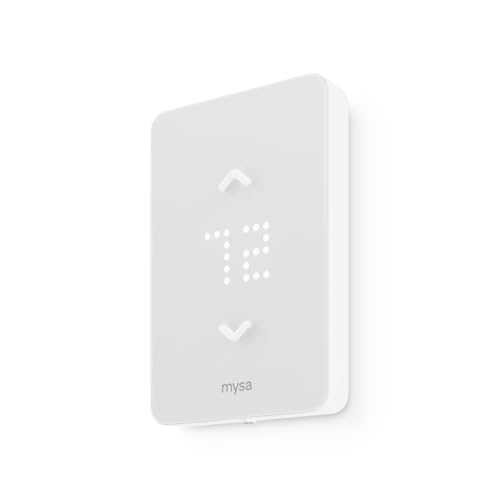
The Mysa LITE is a line‑voltage thermostat designed for 120V–240V electric baseboard or convector heaters. It supports 100% Wi‑Fi control, app scheduling, and smart integrations, with no ongoing subscription fees. The device works with major ecosystems, including HomeKit, Alexa, and Google Assistant. It is a solid option for electric heating zones where line‑voltage control is required, and it emphasizes straightforward DIY installation and energy reporting for users tracking consumption. This model operates as a single‑pole unit in most configurations.
One important consideration is voltage compatibility, as baseboard heating setups that require a two‑pole configuration may limit this model. The higher ambient heat potential from electric heaters can lead to noticeable energy savings when paired with well‑planned schedules. The absence of recurring fees makes it attractive for budget‑minded consumers who still want robust smart features.
New! Honeywell Home Smart Thermostat X2S

The X2S model is designed for conventional heating systems and heat pumps, offering flexible control with Matter certification. It also supports major voice ecosystems, including Amazon Alexa, Google Assistant, and Apple HomeKit, enabling broad smart home compatibility. The device emphasizes customizable scheduling across different day patterns, making it possible to tailor comfort according to work schedules, family routines, and energy pricing. For households adopting multiple smart devices, this thermostat provides cohesive operation with other Matter‑enabled products.
When selecting the X2S, consider whether your current heating arrangement is conventional or heat pump oriented, as these configurations influence compatibility and performance. The RTH2CWF replacement capabilities and 2‑stage scheduling can help optimize comfort while maintaining energy efficiency. Users should verify C‑wire compatibility before purchase to ensure optimal operation.
Meross Smart Thermostat
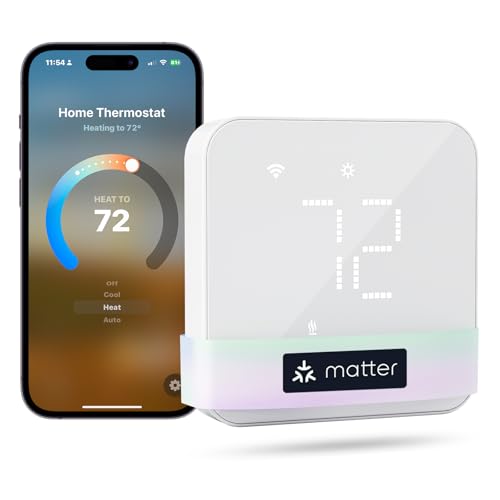
The Meross thermostat is marketed for homes seeking Matter compatibility and voice control via Alexa, Apple HomeKit, and Google Assistant. It requires a C‑wire for proper operation and works with 2.4‑GHz Wi‑Fi networks. The device emphasizes full app control, scheduling, and energy‑saving features without ongoing subscriptions. It’s suitable for a broad range of HVAC systems, though compatibility checks are advised before purchasing. The Meross thermostat is a practical option for users prioritizing interoperability and straightforward setup in a modern smart home ecosystem.
Notwithstanding its broad compatibility, prospective buyers should confirm C‑wire readiness and system support to avoid installation hiccups. The thermostat supports scheduling across seven days and can integrate with popular voice assistants, enabling routines such as “up to temperature” presets when arriving home or leaving for work.
Buying Guide
- HVAC compatibility: Confirm whether your system is conventional, heat pump, or line voltage. Some models support both, while others are specialized (e.g., baseboard heaters).
- C‑wire requirements: Many Wi‑Fi thermostats need a common wire for reliable power. If you don’t have a C‑wire, consider models that claim easy retrofit or provide adapters.
- Connectivity and ecosystem: Check which smart assistants you use (Alexa, Google Assistant, Apple HomeKit) and whether the thermostat supports Matter for broader compatibility.
- Energy savings features: Look for flexible scheduling, occupancy sensing, energy reports, and integration with utility programs or demand response for potential rebates.
- Installation: DIY friendly vs. professional install. Review the device’s mounting options, display type (color touchscreen vs. basic), and app usability to ensure easy setup and daily use.
- Privacy and data handling: Some models emphasize privacy protections and limited data sharing. Consider how data is stored and used by the manufacturer and apps.
- Future‑proofing: Choose a model with ongoing software updates, compatibility with new standards like Matter, and a robust app ecosystem to maximize longevity and features.
- Price and value: While avoiding price mentions, compare upfront costs against potential long‑term energy savings, rebates, and ease of use to gauge total value.
These considerations help balance comfort, cost, and convenience. For households already invested in a specific ecosystem, selecting a thermostat that aligns with existing devices typically yields smoother automation and faster routine setup. If you anticipate frequent changes to your heating configuration, a model with broader compatibility and flexible scheduling can prevent future limitations.


